
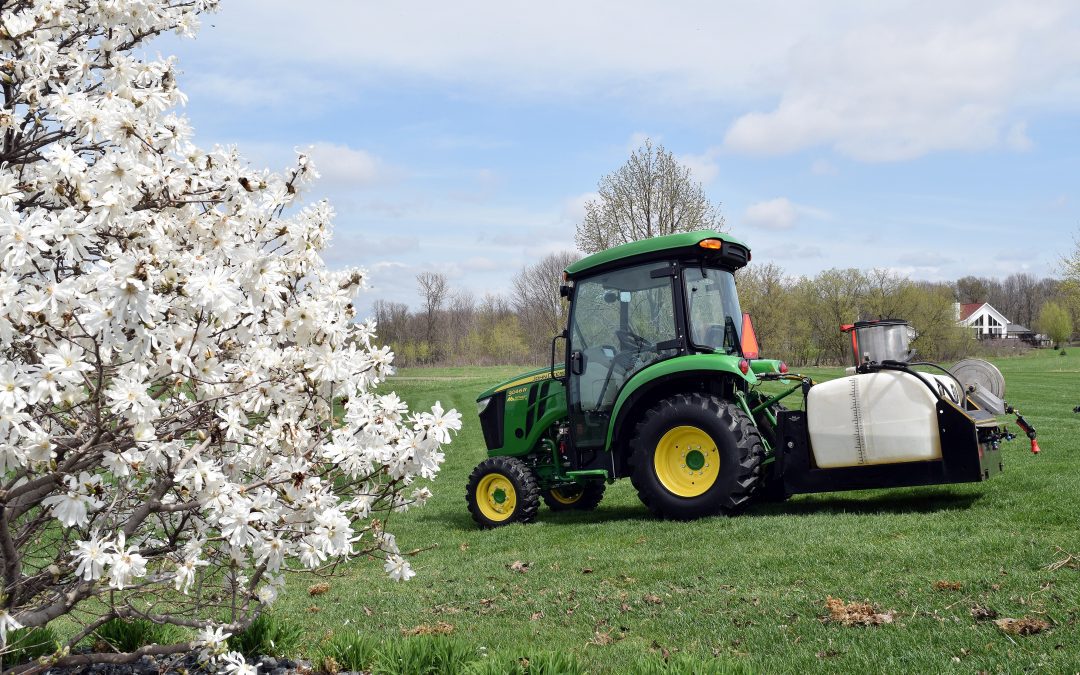
Proper fertilization does far more than simply “green up” a lawn. University turfgrass programs consistently note that fertilizer plays a critical role in turf density, recovery, and stress tolerance when applied correctly. A healthy, dense lawn can better resist weed pressure, drought stress, and heavy foot traffic throughout the growing season.
In recent years, liquid fertilizer applications have become increasingly popular among homeowners, acreage owners, groundskeepers, and commercial landscapers because they provide fast nutrient availability and precise application control. Liquid sprayers such as the KAGE LiquidRage make that process more efficient, especially for larger properties where consistency and coverage matter.
Why Spring Is the Ideal Time for Fertilization
Spring is essentially the “recovery and growth” phase for turfgrass. Soil temperatures begin rising, root activity increases, and grass starts actively absorbing nutrients again. Applying fertilizer during this window helps replenish nutrients depleted during winter dormancy while supporting vigorous root and blade development.
Nitrogen is especially important in spring because it fuels chlorophyll production and leaf growth. Phosphorus supports root development, while potassium improves overall plant strength and stress resistance. When these nutrients are applied at the correct rates and timing, the result is stronger turf that can better handle summer heat and drought conditions later in the year.
Timing also matters. Lawn experts generally recommend fertilizing once soil temperatures consistently reach around 50°F and the grass is actively growing. Applying too early can waste nutrients, while fertilizing too late may encourage excessive top growth without strong root support.
Liquid fertilizers are especially effective in spring because they provide rapid nutrient uptake. Unlike many granular fertilizers that require breakdown time, liquid nutrients can begin working almost immediately after application. This quick response is one reason many turf professionals rely on liquid applications for spring green-up and recovery.
 The Advantages of Liquid Fertilizer Applications
Liquid fertilizers offer several key advantages compared to traditional granular applications.
First, they provide extremely even coverage. A properly calibrated sprayer distributes nutrients uniformly across the application area, helping reduce striping or patchy growth.
Second, liquid applications allow for more precise nutrient management. Operators can adjust application rates, dilution ratios, and spray patterns depending on turf conditions, weather, or nutrient requirements.
Third, liquid fertilizers often deliver faster visible results. Since nutrients are already dissolved, grass can absorb them more rapidly through both roots and foliage.
Finally, liquid systems are highly versatile. In many cases, fertilizers can be combined with micronutrients, iron supplements, biostimulants, or compatible weed-control products, reducing the number of separate applications required throughout the season.
 Where the KAGE LiquidRage Fits In
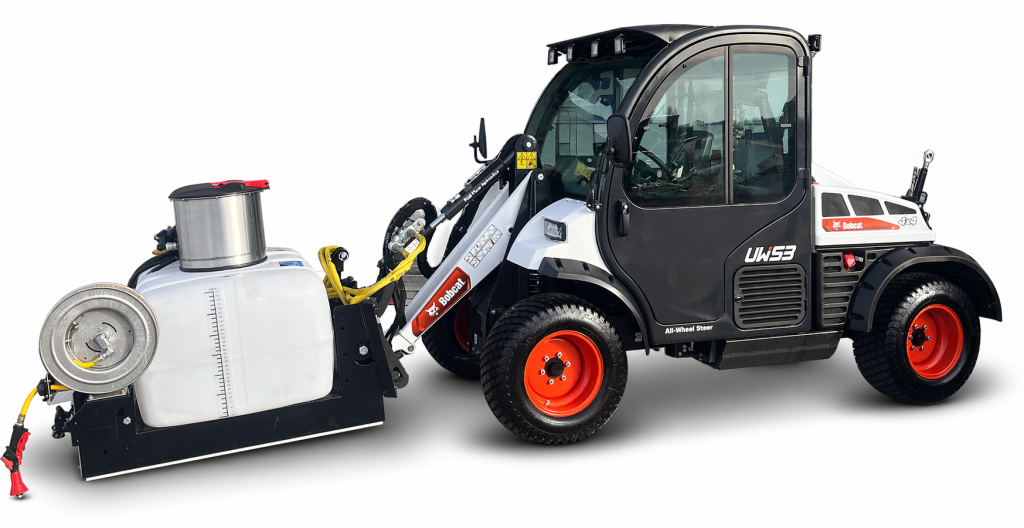
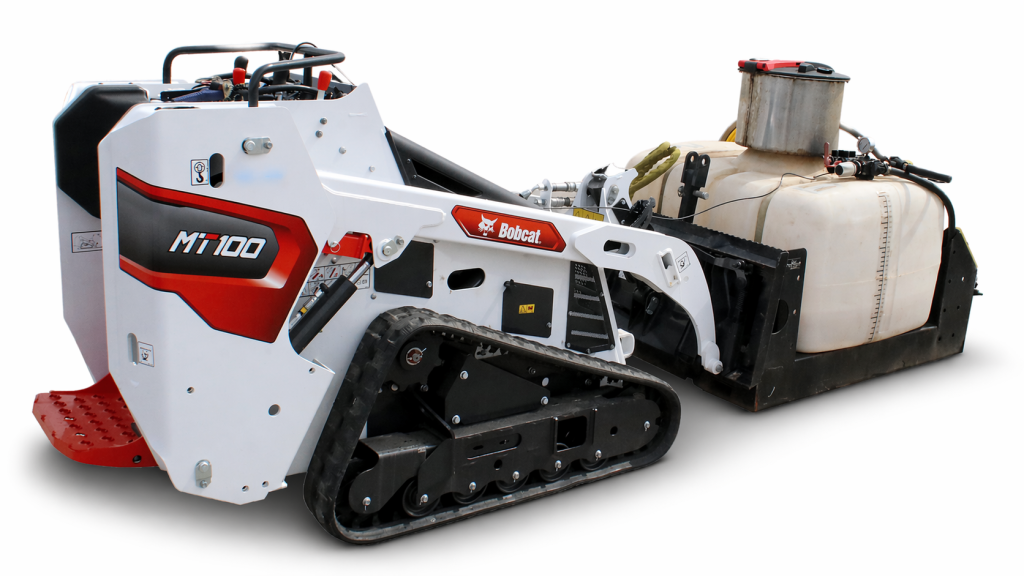
The effectiveness of any liquid fertilizer program depends heavily on the quality and reliability of the sprayer system being used. This is where a dedicated liquid sprayer like the KAGE LiquidRage becomes valuable.
For property owners and turf managers covering large areas, consistency is critical. Uneven pressure, poor spray distribution, or nozzle clogging can create inconsistent nutrient delivery that affects turf appearance and health. A purpose-built sprayer platform helps maintain stable coverage across lawns, sports fields, acreage properties, and commercial landscapes.
The KAGE LiquidRage is particularly useful for operators who need:
- Consistent spray patterns
- Efficient coverage over large areas
- Precise liquid application control
- Reduced refill frequency
- Compatibility with multiple liquid treatment types
When spring fertilization windows are short due to weather conditions, having reliable equipment can make a major difference in productivity and application quality.
Choosing the Right Liquid Fertilizer for Sprayers
Not all liquid fertilizers are equally suited for spray equipment. One of the most common frustrations operators encounter is nozzle clogging caused by improper fertilizer selection, inadequate mixing, or sediment buildup.
The best fertilizers for liquid sprayers are those that remain fully dissolved and contain minimal suspended solids.
Best Fertilizer Types for Liquid Sprayers
Clear Liquid Fertilizers
Clear, fully dissolved fertilizers are generally the best option for sprayer systems because they flow smoothly through pumps, lines, and nozzles with minimal residue.
Examples include:
- UAN solutions (urea ammonium nitrate)
- Liquid nitrogen blends
- Chelated micronutrient solutions
- Fully dissolved NPK liquid concentrates
These products typically create fewer clogging issues and maintain more consistent spray performance.
Low-Sediment Fertilizer Concentrates
High-quality liquid concentrates designed specifically for turf sprayers are another strong option. These products are manufactured to minimize suspended particles and maintain stable mixing characteristics.
Products labeled for:
- Foliar feeding
- Turf spray systems
- Backpack or boom sprayers
are usually engineered with nozzle performance in mind.
Water-Soluble Fertilizers
Some dry fertilizers are designed to dissolve completely in water before spraying. These can work very well when properly mixed and filtered.
However, operators should ensure:
- Complete dissolution before spraying
- Proper agitation during application
- Use of strainers or inline filters
Undissolved granules are a major source of nozzle blockage.
Fertilizers Most Likely to Cause Nozzle Clogging
Certain fertilizer formulations are more problematic in liquid sprayer systems.
Suspended or Particulate Fertilizers
Products containing visible particles or heavy suspensions are the most common culprits behind clogged nozzles. While these products may offer nutrient benefits, they require excellent agitation systems and larger nozzle sizes.
Common issues include:
- Settling in tanks
- Accumulation in filters
- Partial nozzle blockage
- Uneven spray patterns
Organic Liquid Fertilizers
Some organic fertilizers contain biological material, compost extracts, fish emulsions, or thick organic matter that can create buildup inside spray systems.
While many operators successfully use organic products, they generally require:
- Larger mesh screens
- Frequent filter cleaning
- Thorough flushing after use
Poorly Mixed Water-Soluble Products
Even high-quality soluble fertilizers can clog nozzles if not mixed correctly. Undissolved particles often accumulate in strainers and nozzle tips, reducing spray efficiency.
Experts commonly recommend filtering spray mixtures before adding them to the tank and maintaining continuous agitation during use.
Tips to Prevent Nozzle Clogging
To keep sprayers like the KAGE LiquidRage operating efficiently during spring fertilization season, operators should follow several best practices:
- Use clean water when mixing fertilizer
- Filter solutions before adding to the tank
- Choose nozzle sizes appropriate for fertilizer viscosity
- Flush the sprayer thoroughly after each use
- Clean filters and strainers regularly
- Avoid allowing fertilizer residue to dry inside the system
Industry guidance consistently emphasizes cleaning and maintenance as the best defense against clogging and spray inconsistency.
Spring fertilization lays the foundation for healthy turf throughout the growing season. When nutrients are applied properly, lawns and turf areas respond with improved density, stronger roots, richer color, and greater resistance to stress.
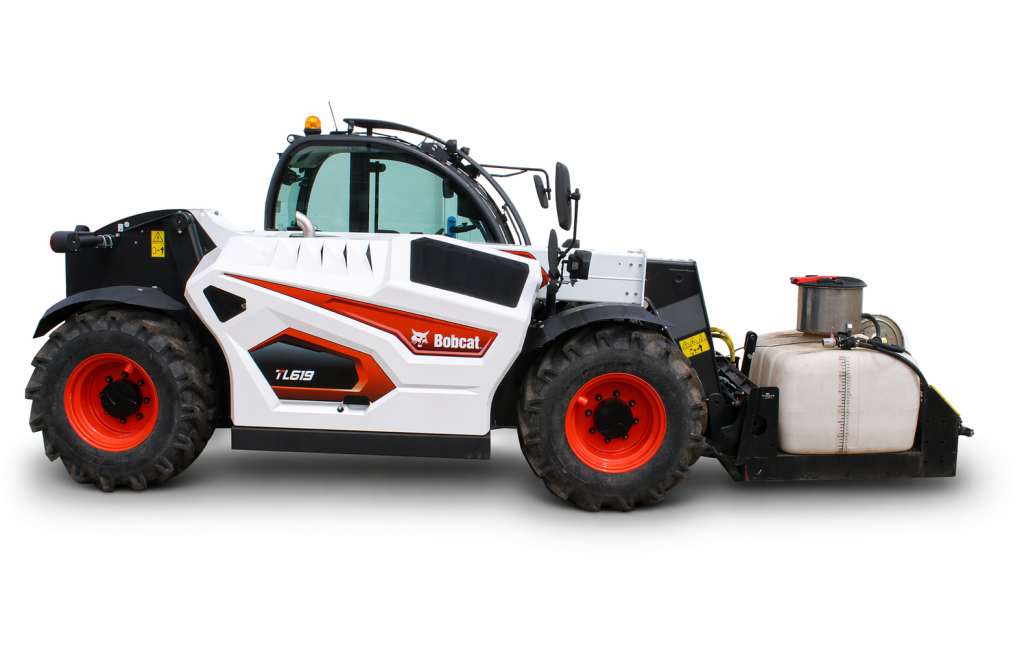
Liquid fertilizer systems continue gaining popularity because they offer speed, precision, and fast nutrient uptake. Equipment like the KAGE LiquidRage helps operators apply fertilizers more consistently and efficiently across larger properties while reducing wasted product and uneven coverage.
To maximize performance, operators should select fertilizers designed specifically for spray applications — particularly clear liquid or fully dissolved formulations that minimize clogging risks. Pairing the right fertilizer with proper sprayer maintenance ensures reliable operation, consistent coverage, and healthier turf all season long.
Recent Comments