
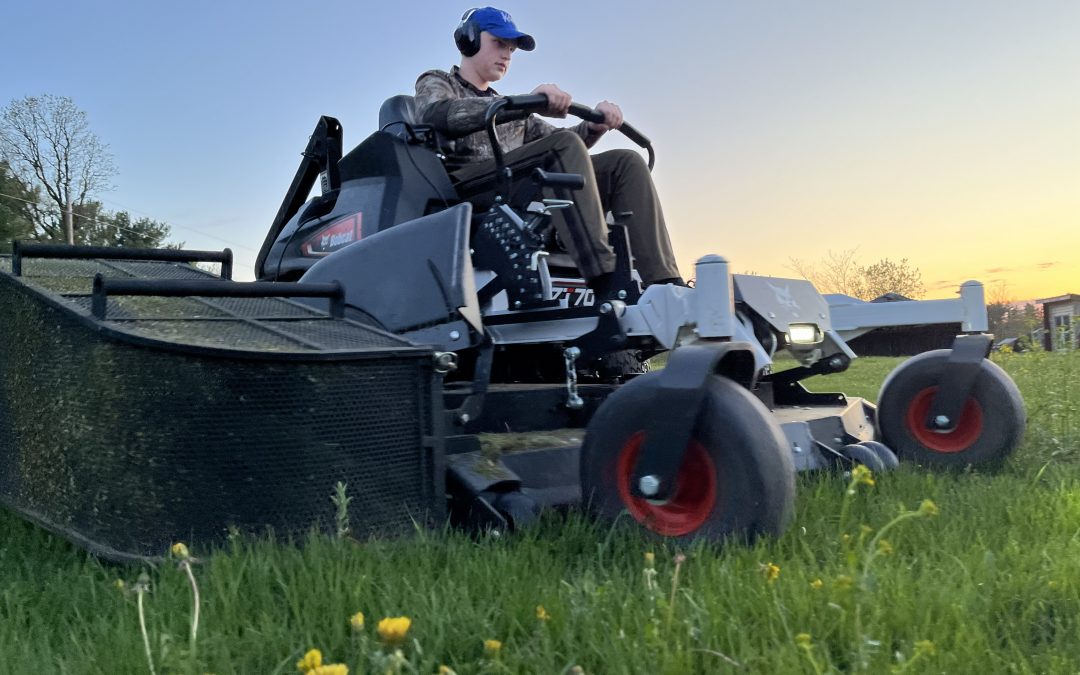
Smart, Sustainable Uses for Your Yard Waste
For many homeowners, mowing the lawn is a weekly routine during the growing season. But once the mowing is done, there’s often one lingering question: What should you do with all those grass clippings? While it may be tempting to bag them up and send them to the curb, grass clippings are actually one of the most valuable byproducts your lawn can produce.
When handled correctly, grass clippings can improve soil health, nourish your lawn, reduce waste, and even help your garden thrive. Whether you’re maintaining a small suburban yard or managing several acres of property, learning how to reuse and recycle grass clippings can save time and money while promoting a healthier landscape.
Here are some of the best things you can do with grass clippings after you’ve collected them — and how the KAGE Katcher makes the process easier and more efficient.
1. Use Grass Clippings as Natural Mulch
One of the easiest and most effective ways to reuse grass clippings is by turning them into mulch. Grass clippings are rich in nitrogen, which helps feed plants and improve soil quality.
Spread a thin layer of dry clippings around:
- Flower beds
- Vegetable gardens
- Trees and shrubs
- Landscaping borders
Mulching with grass clippings offers several benefits:
- Helps retain soil moisture
- Reduces weed growth
- Regulates soil temperature
- Adds nutrients back into the soil as clippings decompose
The key is moderation. Avoid piling clippings too thickly, as dense layers can trap moisture and create unpleasant odors. A layer about 1–2 inches thick works best.
How the KAGE Katcher Helps
The KAGE Katcher simplifies grass collection so you can easily transport clippings directly to garden beds or landscaping areas. Instead of leaving messy piles behind or repeatedly emptying small mower bags, the KAGE Katcher efficiently gathers and contains clippings for quick redistribution around your property.
Because the system is designed for high-capacity collection, it’s especially helpful for larger lawns where mulch material accumulates quickly.
2. Add Grass Clippings to Your Compost Pile
Grass clippings are considered a “green” compost material because they contain high amounts of nitrogen. When combined with “brown” materials like dried leaves, cardboard, or straw, they help create balanced compost that breaks down efficiently.
A healthy compost pile needs a mix of:
- Greens (nitrogen-rich materials)
- Browns (carbon-rich materials)
- Oxygen
- Moisture
Grass clippings accelerate decomposition and help heat up the compost pile, which speeds the composting process.
Composting Tips
- Mix clippings with dry materials to prevent matting
- Turn the pile regularly for airflow
- Avoid composting grass treated with herbicides or pesticides
Within a few months, you’ll have nutrient-rich compost perfect for gardens, flower beds, and lawn applications.
How the KAGE Katcher Helps
The KAGE Katcher makes compost preparation more convenient by collecting large quantities of clippings in one pass. Instead of spending extra time raking or gathering scattered grass, homeowners can transport cleanly collected material directly to a compost area.
This saves time and reduces cleanup while making composting more practical for busy property owners.
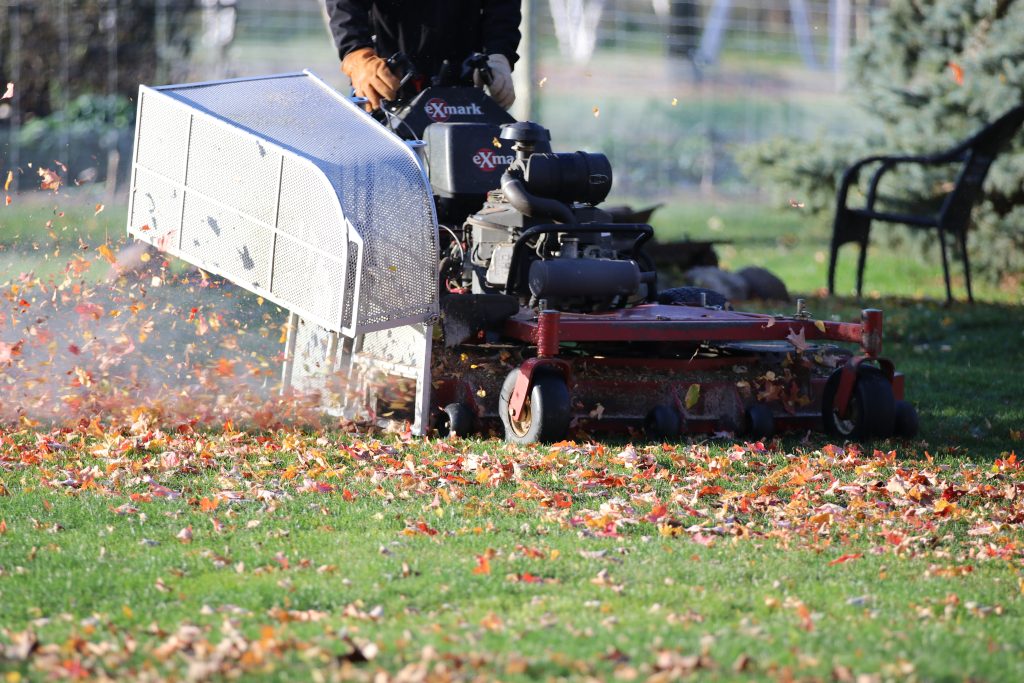
3. Leave Clippings on the Lawn (Grasscycling)
If conditions are right, one of the best things you can do is simply leave grass clippings on the lawn. This process, commonly called “grasscycling,” allows nutrients to return directly to the soil.
Fresh grass clippings break down quickly and can provide:
- Nitrogen
- Potassium
- Phosphorus
In fact, leaving clippings behind can supply up to 25% of your lawn’s fertilizer needs over the course of a season.
However, grasscycling works best when:
- The lawn is mowed regularly
- Only short clippings are left behind
- Grass is dry during mowing
If the lawn becomes overgrown or wet, excessive clippings can clump and smother the grass beneath.
When Collection Is Better
In situations where clippings are too heavy to leave on the lawn, collecting them becomes the smarter option. This is especially true during peak growing seasons or after rain.
That’s where the KAGE Katcher becomes valuable. Instead of dealing with clumps across the lawn, the system allows you to quickly collect excess material and decide how you’d like to reuse it elsewhere.
4. Create a Natural Weed Barrier
Grass clippings can serve as an excellent weed suppressant in gardens and landscaping areas. A light layer blocks sunlight from reaching weed seeds, helping reduce unwanted growth naturally.
This approach works particularly well around:
- Raised garden beds
- Trees and shrubs
- Pathways
- Vegetable rows
Using grass clippings as a weed barrier can reduce reliance on chemical herbicides while improving soil quality at the same time.
Best Practices
- Use dry clippings only
- Apply thin, even layers
- Replenish periodically as material decomposes
How the KAGE Katcher Helps
The KAGE Katcher helps homeowners collect cleaner, more manageable grass clippings that are easy to spread exactly where needed. Rather than wasting clippings or hauling them away, you can immediately put them to work as a functional landscaping material.
5. Feed Livestock (When Appropriate)
In some rural settings, untreated grass clippings may be used as supplemental feed for livestock such as cows or goats. However, this should only be done carefully and with proper agricultural guidance.
Important considerations include:
- Avoid clippings treated with chemicals
- Ensure clippings are fresh and not moldy
- Introduce gradually to avoid digestive issues
- Green grass clippings in large quantities are not suitable for all animals
While not practical for every homeowner, this can be a useful recycling method on farms or larger rural properties. Note: Freshly cut grass clippings are often not recommended as a direct feed source for horses because they can create several health hazards.
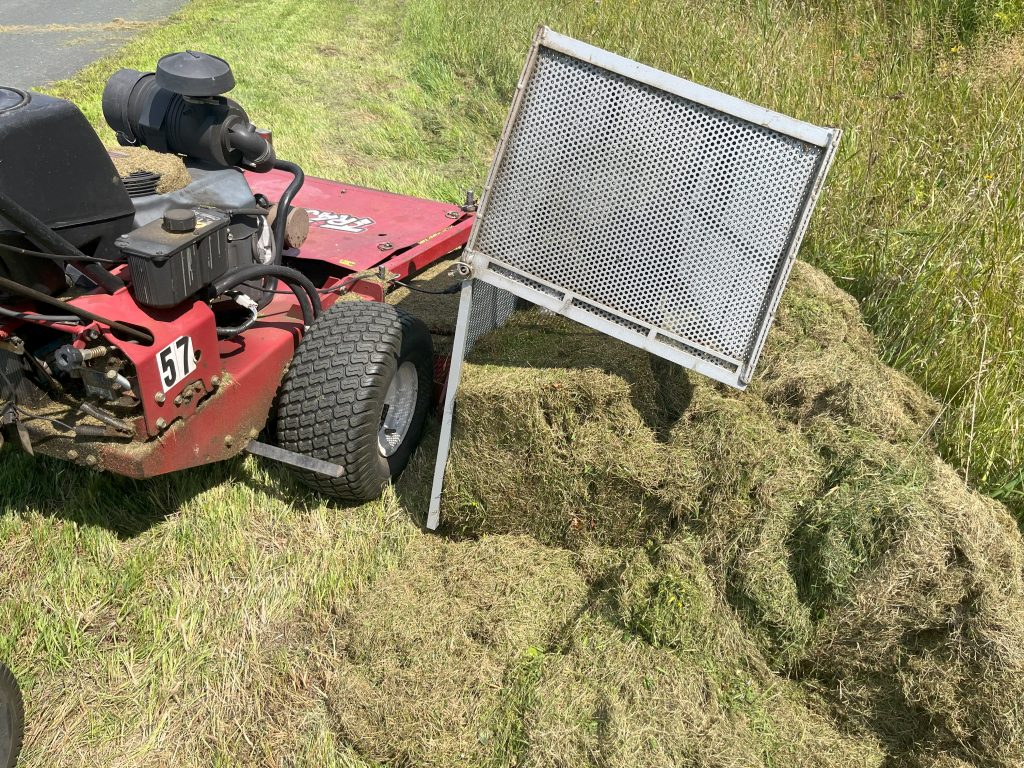
6. Reduce Landfill Waste
Millions of bags of grass clippings end up in landfills each year. Once buried, organic material decomposes without oxygen and produces methane — a potent greenhouse gas.
By reusing grass clippings around your property, you can:
- Reduce waste disposal costs
- Minimize environmental impact
- Improve sustainability practices at home
Even small changes in lawn care habits can have a meaningful environmental impact over time.
How the KAGE Katcher Supports Sustainability
The KAGE Katcher promotes efficient lawn maintenance by helping users collect and manage grass clippings more effectively. Instead of treating clippings as waste, homeowners can view them as a valuable resource for composting, mulching, and soil improvement.
The system’s durability and high-capacity performance also reduce the hassle often associated with clipping collection, making sustainable lawn care easier to maintain consistently.
7. Use Clippings for Soil Improvement
As grass clippings decompose, they release valuable nutrients and organic matter into the soil. Over time, this improves:
- Soil structure
- Moisture retention
- Microbial activity
- Root health
Healthier soil supports stronger plants, greener lawns, and better drought resistance.
Whether added through composting, mulching, or direct soil incorporation, grass clippings can become an important part of a long-term lawn and garden care strategy.
Turn Lawn Waste Into Lawn Value
Grass clippings don’t have to be a nuisance. In fact, they can become one of the most useful resources in your yard care routine. From composting and mulching to weed control and soil enrichment, there are countless ways to put collected grass clippings to good use.
The key is having the right equipment to manage the process efficiently.
The KAGE Katcher helps homeowners and property managers collect grass clippings quickly, cleanly, and conveniently — making it easier to recycle organic material back into the landscape instead of sending it to the landfill.
By turning lawn waste into practical value, you not only improve your property’s appearance but also contribute to healthier soil, stronger plants, and a more sustainable approach to lawn care.
Recent Comments