
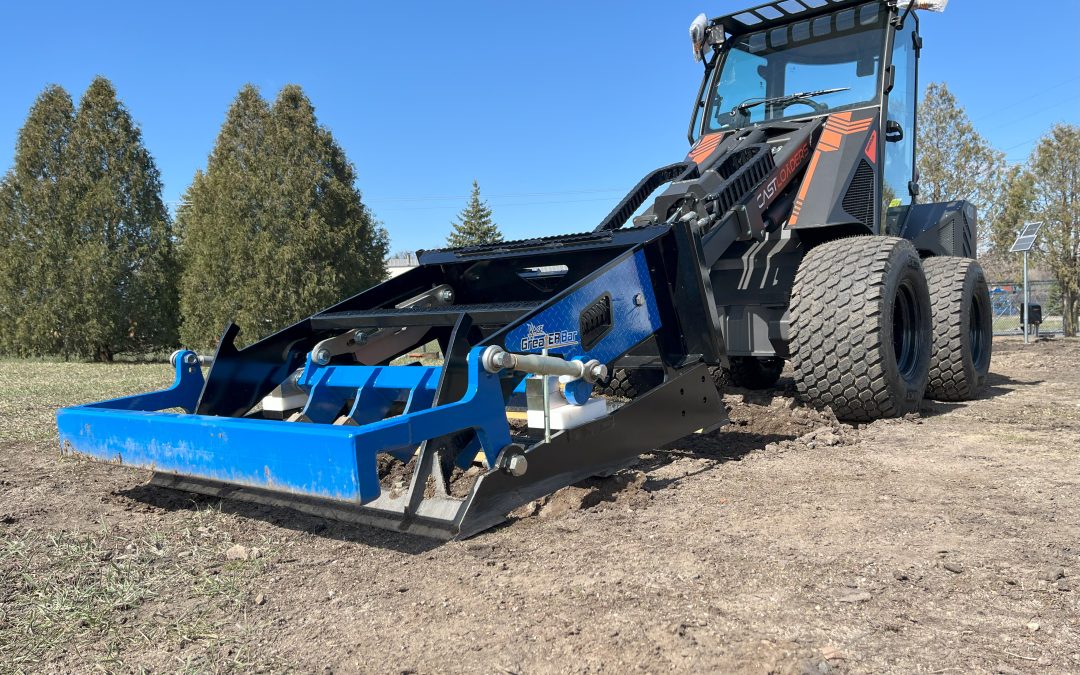
A land plane is often thought of as a gravel driveway maintenance tool, but it can also be one of the most effective implements for site preparation of soft dirt for new gardens, landscaping projects, and lawn installations. Whether you’re creating a backyard vegetable garden, establishing flower beds, or grading an area for new sod, a land plane can save hours of manual labor while producing a smoother, more professional finish.
Many property owners rely on buckets, box blades, or rakes to prepare soil, only to find themselves fighting uneven grades, low spots, and poor drainage. A land plane offers a different approach by continuously cutting high spots and redistributing soil into low areas, creating a consistent surface that’s ideal for planting or further soil preparation.
Why Surface Preparation Matters
A successful garden begins long before the first seed is planted. Proper soil preparation creates an environment where plants can establish healthy root systems, water drains properly, and maintenance becomes easier throughout the growing season.
Poorly prepared soil can lead to:
- Standing water after rain
- Uneven planting depths
- Soil erosion
- Difficult irrigation
- Inconsistent crop growth
- More manual work throughout the season
Taking the time to properly grade and level the area helps eliminate many of these problems before they begin.
How a Land Plane Works
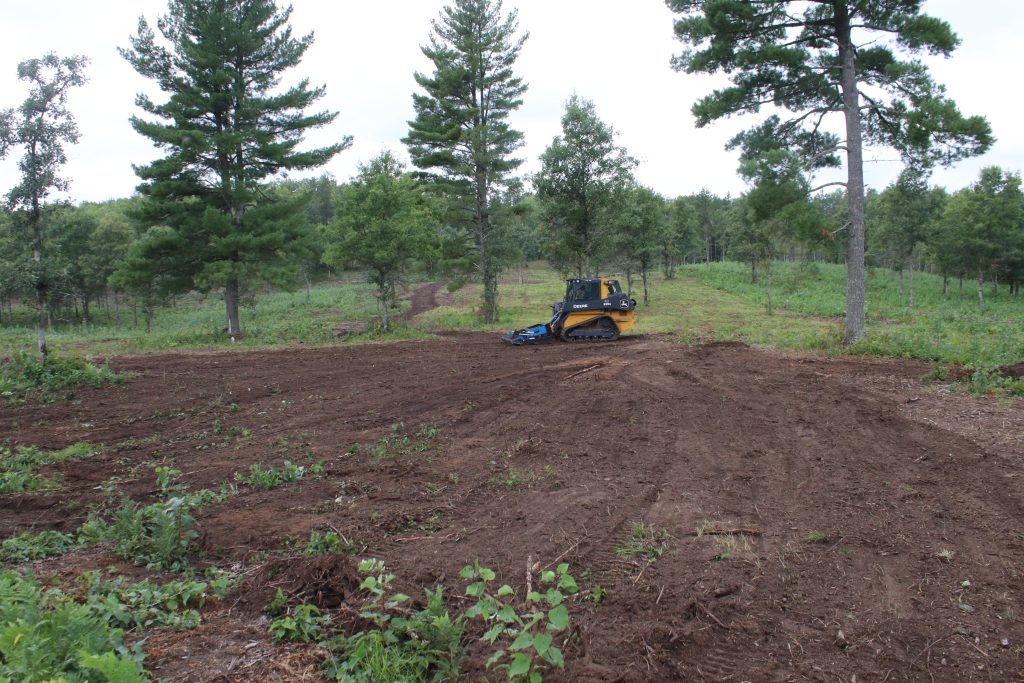
Unlike a bucket that moves large amounts of soil from one location to another, a land plane is designed to continuously shave off high spots while depositing that material into lower areas as you drive.
As the implement travels across the surface:
- High spots are cut down.
- Loose soil flows through the grading blades.
- Low areas gradually fill in.
- The finished surface becomes progressively smoother with each pass.
Because the cutting action is spread over the entire width of the implement, operators can create a much more consistent grade than with many traditional grading tools.
The result is a flat, even surface that’s ready for final seedbed preparation or planting.
Breaking Up Compacted Soil
Not every garden starts with loose, workable soil.
Many new garden locations have been driven on by equipment, mowed for years, or naturally compacted over time. Compacted soil prevents roots from growing deeply and reduces water infiltration.
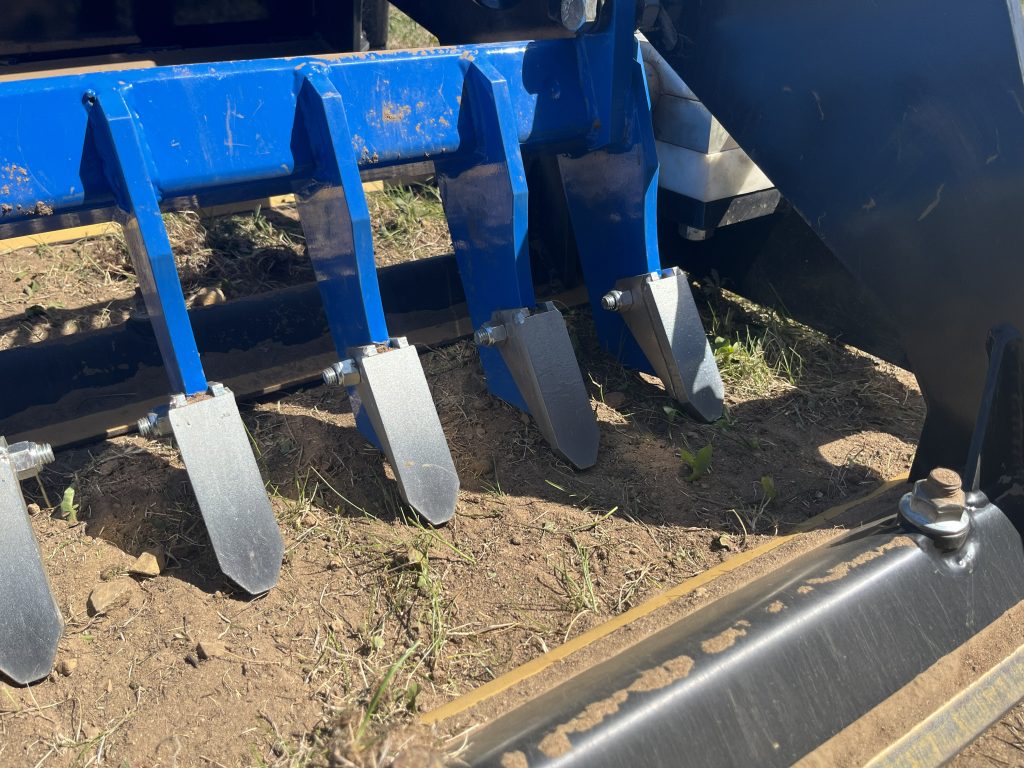
This is where scarifier teeth become especially valuable.
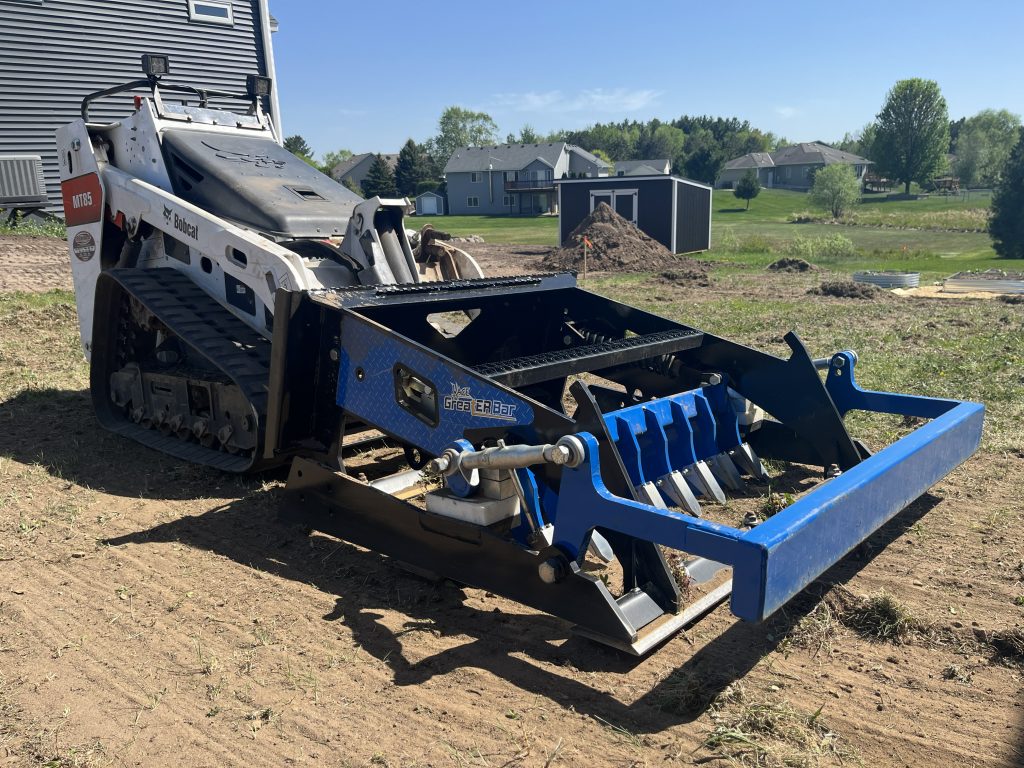
Many land planes—including the KAGE GreatER Bar—can be equipped with ripper teeth that penetrate the surface and loosen compacted soil before the grading blades begin smoothing.
Scarifying helps:
- Break up compacted soil.
- Increase water infiltration.
- Improve root development.
- Make future tilling easier.
- Prepare hard-packed areas for landscaping.
Once the soil has been loosened, the grading blades can redistribute it into a level finish.
Creating the Perfect Garden Base
Whether you’re building a vegetable garden, flower bed, pumpkin patch, or pollinator garden, one of the biggest challenges is creating a flat, workable surface.
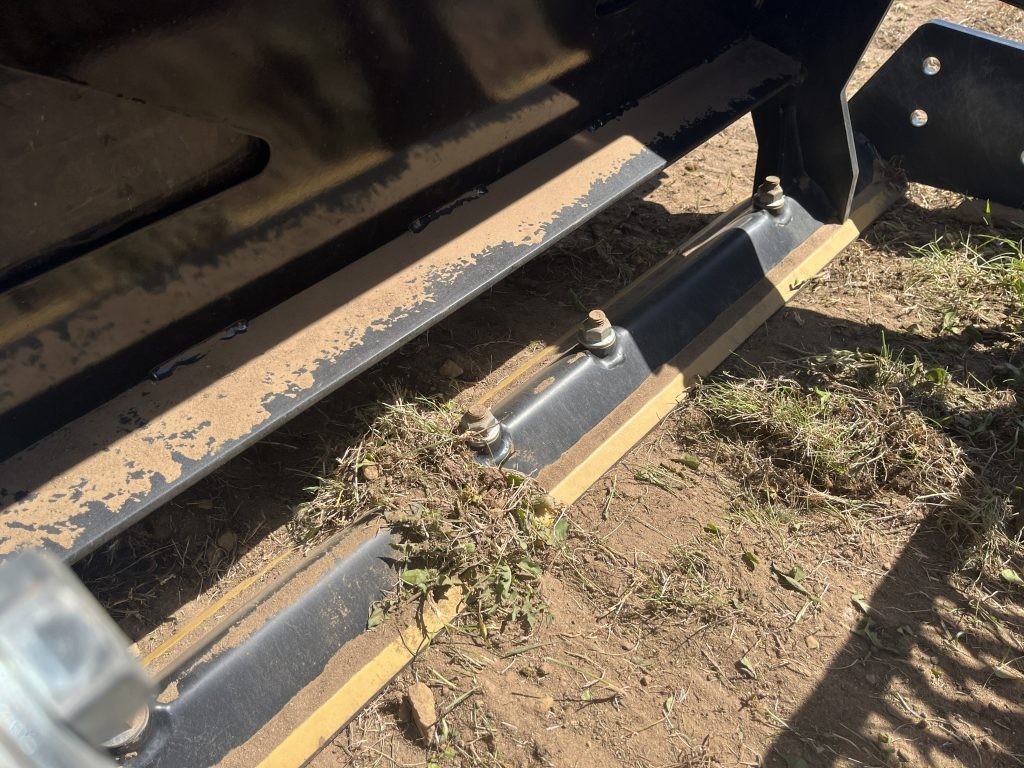
A land plane helps by:
- Removing bumps and ridges.
- Filling shallow depressions.
- Eliminating tire tracks.
- Creating consistent planting areas.
- Improving the overall appearance of the site.
Large garden projects become much easier because the implement is constantly correcting imperfections as you work.
Instead of spending hours raking by hand, operators can complete much of the leveling mechanically.
Improving Drainage
One of the biggest reasons gardens fail is poor drainage.
Low spots collect water after rainstorms, leaving roots saturated and increasing the likelihood of disease.
A land plane makes it easier to establish subtle grades that encourage water to move away from planting areas without creating steep slopes that erode during heavy rainfall.
Proper grading can help:
- Prevent standing water.
- Reduce soil erosion.
- Improve root health.
- Make irrigation more effective.
- Extend the life of garden beds.
Even a slight slope can dramatically improve drainage while still appearing perfectly level to the eye.
Blending Soil Amendments
Healthy gardens often require more than simply leveling the existing soil.
Many gardeners spread compost, manure, sand, or topsoil before planting to improve fertility and soil structure.
After these materials are distributed across the surface, a land plane can help lightly blend them into the upper layer while simultaneously smoothing the site.
Although a land plane is not a substitute for a tiller, it can help evenly distribute amendments before final cultivation.
This creates a more consistent growing environment across the entire garden.
Where a Land Plane Excels
A land plane isn’t limited to vegetable gardens.
It’s equally useful for site preparation of:
- Flower gardens
- Pollinator habitats
- Food plots
- Lawn renovation projects
- Sod installation
- Landscape beds
- Orchard rows
- Greenhouse sites
- New home landscaping
Any project requiring a smooth, level soil surface can benefit from the consistent grading action of a land plane.
Understanding Its Limitations
While a land plane is an outstanding grading tool, it’s important to understand what it isn’t designed to do.
A land plane is not intended to:
- Replace a rototiller for deep soil cultivation.
- Pulverize heavy clay into fine seedbed material.
- Remove large rocks or tree roots.
- Excavate large amounts of soil.
- Operate effectively in saturated mud.
Instead, it performs best after rough excavation has already been completed.
If you’re starting with heavily compacted ground, scarifying first will significantly improve the final results.
Likewise, if you’re planting very small seeds that require an extremely fine seedbed, a final pass with a tiller or power rake after grading may still be beneficial.
Best Practices for Garden Site Preparation
To achieve the best results when using a land plane for garden preparation, follow a logical sequence of operations.
1. Remove Existing Vegetation
Begin by eliminating grass, weeds, brush, and any surface debris that could interfere with grading.
2. Remove Large Obstacles
Pick up rocks, roots, and other objects that could damage the grading blades or scarifier teeth.
3. Scarify if Necessary
If the soil is compacted, engage the scarifier teeth to loosen the surface before grading.
Multiple shallow passes are often more effective than one aggressive pass.
4. Add Soil Amendments
Spread compost, topsoil, or other amendments across the work area before final grading.
5. Begin Grading
Make overlapping passes while allowing the land plane to naturally redistribute soil from high areas into low spots.
Avoid trying to move large amounts of soil in a single pass.
6. Finish with Light Passes
Once the area is nearly level, raise the scarifier teeth (if equipped) and make several light finishing passes to smooth the surface.
7. Till if Required
If planting seeds that require finely cultivated soil, perform a shallow tilling after grading is complete.
Why the KAGE GreatER Bar Is an Excellent Choice
The KAGE GreatER Bar is especially well suited for garden site preparation because it combines two essential functions into one attachment.
Its integrated scarifier teeth loosen compacted soil while its grading blades level and smooth the surface.
This combination allows operators to transition from breaking up hard ground to finishing the seedbed without switching implements.
Another advantage of the GreatER Bar is its ability to produce consistent results with relatively little operator experience. Instead of constantly adjusting bucket angles or trying to manually feather material into place, the grading blades naturally smooth the surface as the machine moves forward (and backward!).
For property owners, landscapers, municipalities, and contractors preparing large planting areas, this can significantly reduce labor while improving the finished appearance.
Tips for the Best Results
When working soft dirt, patience produces the best finish.
Rather than attempting to make one aggressive grading pass, make several lighter passes across the area.
Crossing the work area from different directions also helps eliminate minor ridges and creates a more uniform surface.
It’s also important to avoid working soil immediately after heavy rain. Wet soil tends to smear instead of flowing naturally through the grading blades, which can leave an uneven finish and create compaction.
Allow the soil to become slightly moist—but not saturated—for optimal grading conditions.
Final Thoughts
A land plane may not be the first tool that comes to mind when preparing a new garden, but its ability to level soil, improve drainage, eliminate bumps, and create a consistent planting surface makes it an incredibly valuable attachment for landscaping projects.
When paired with scarifier teeth, such as those found on the KAGE GreatER Bar, it becomes even more versatile by loosening compacted ground before creating a smooth finish. The result is a garden site that’s easier to plant, drains more effectively, and provides a better foundation for healthy plant growth.
Whether you’re installing a backyard vegetable garden, preparing flower beds around a home, renovating a lawn, or grading a large landscaping project, a land plane can dramatically reduce the time and effort required while delivering professional-quality results. With the right site preparation and a few careful passes, you’ll create a smooth, level foundation that sets your garden up for success from the very beginning.
Recent Comments